 Ru
Ru Uz
UzThe Great Silk Road is the golden heritage of Uzbekistan and China
The Great Silk Road is the golden heritage of Uzbekistan and China
he organization of this exhibition in Samarkand, the most important historical center of culture of world importance, shows the historical roots of modern political, economic and cultural interaction of states Uzbekistan and China, which for many centuries formed the main links of the Great Silk Road.
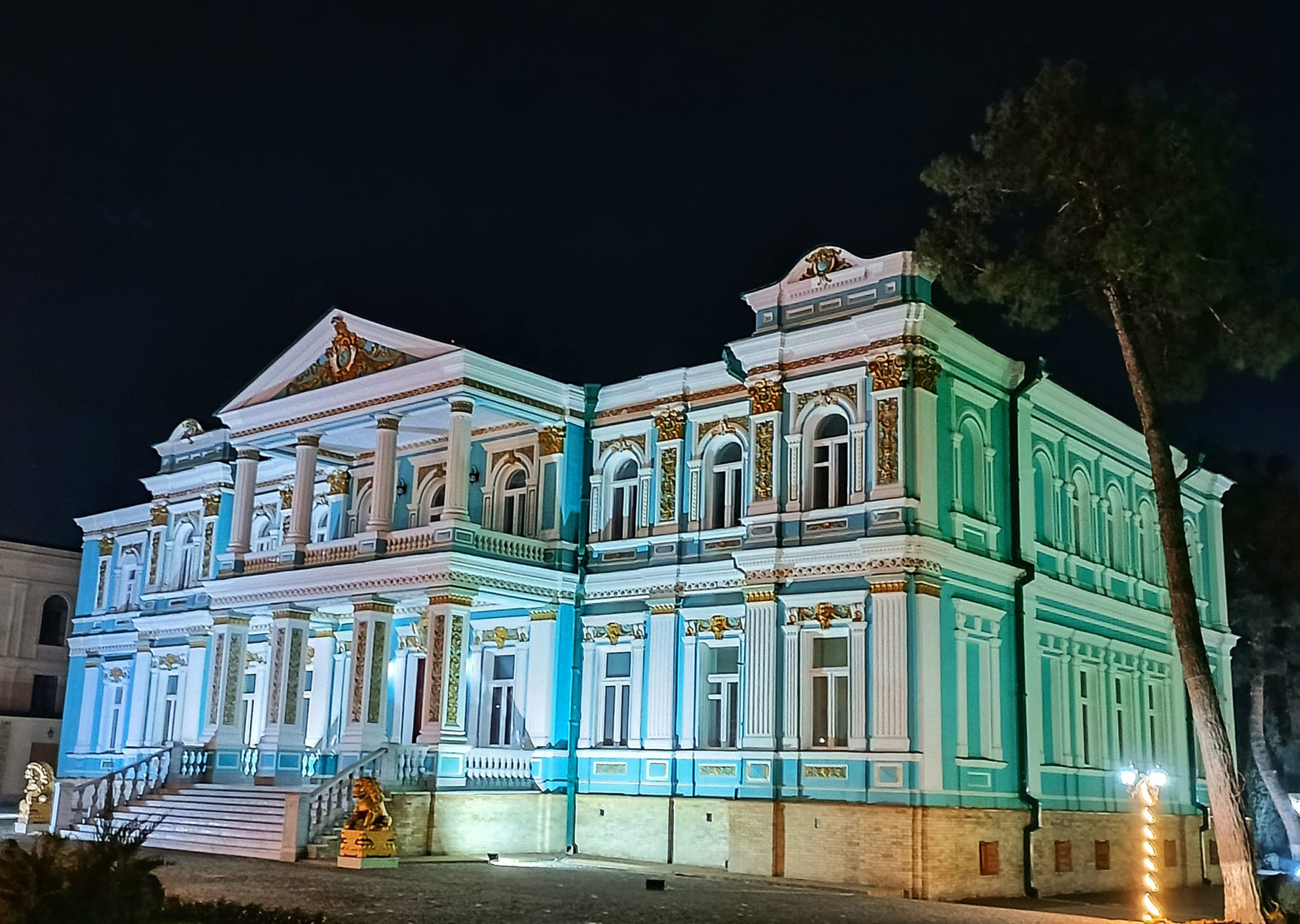
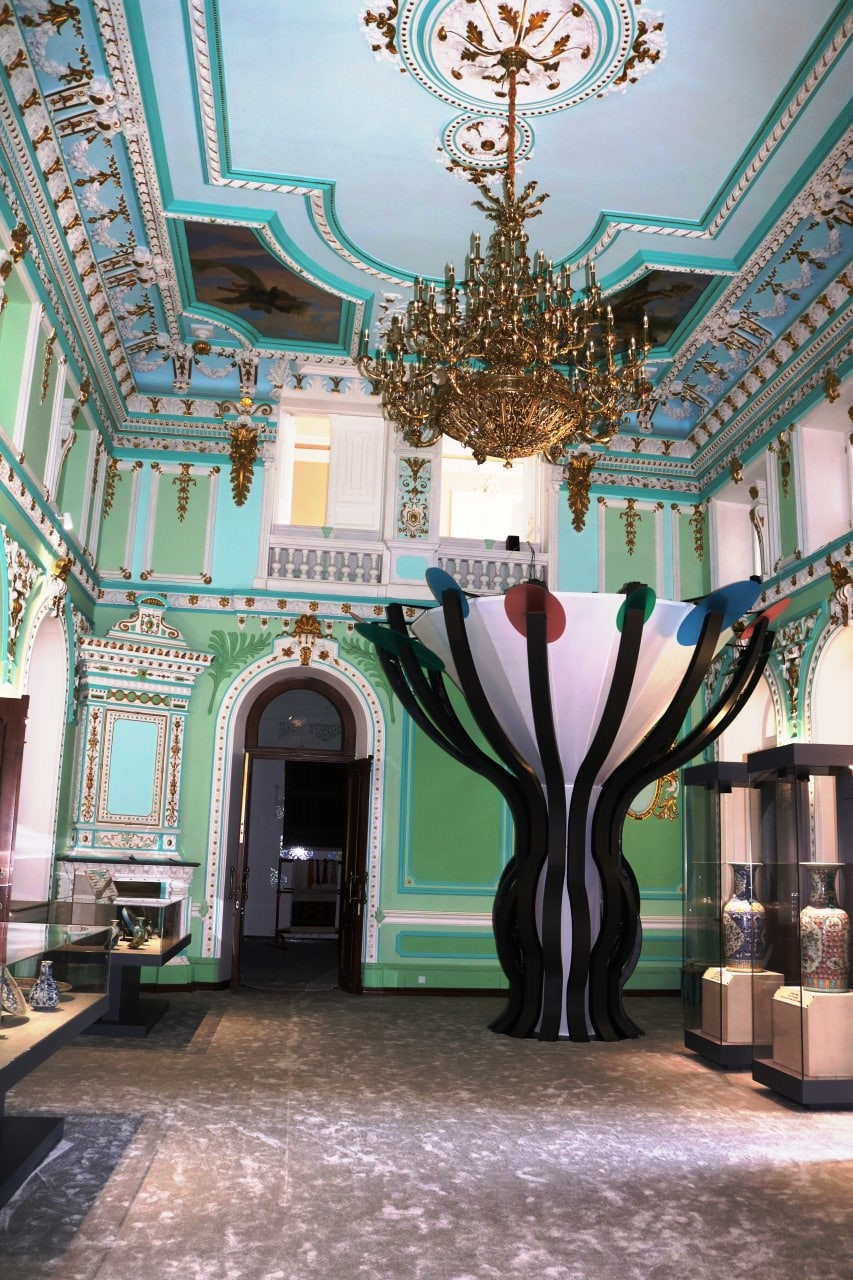
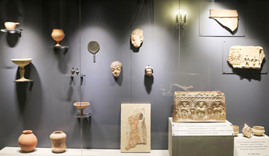
The system of trade routes of antiquity and the Middle Ages, which connected the countries of the West with the In this context, we should also consider the exhibition created in Samarkand, located in a historical building (the building was built at the beginning of the XX century. for the Russian-Chinese bank). The opening of this exhibition took place in September 2022 and was timed to coincide with the days of the SCO meeting in Samarkand. countries of the East, is known as the Great Silk Road. Regions and states encompassing civilizations, nomadic peoples and tribes from Europe to China, from India to the Urals and Siberia, from Central Asia to Europe. The length of the Great Silk Road was 12 thousand kilometers. It originated in the II century BC . This is a caravan road that connected China and Uzbekistan in ancient times and for many centuries it was used to export silk from China, which is why its name is connected. The path began on the shore of the Yellow Sea and led to East Turkestan, Central Asia, Iran, the Two Rivers and the Mediterranean coast and further to the countries of Europe. Major ancient cities of China and Uzbekistan - Xian, Dunhuang, Yarkand, Samarkand, Bukhara, Tashkent, etc. - were located along this route. During the excavations of settlements throughout the Great Silk Road, various artifacts were discovered – works of art and handicrafts of Chinese and Central Asian artists and craftsmen. The HSV was a two-way highway. Caravans with silk fabrics and raw materials for silk, porcelain and jade products, paper, gunpowder, rice went from China to Europe through the territory of Uzbekistan. Woolen fabrics, carpets, various ornaments and precious stones, as well as grapes, peaches and other fruits were brought from Samarkand to China; from Fergana, the Chinese bought for gold and silks — thoroughbred "heavenly horses".
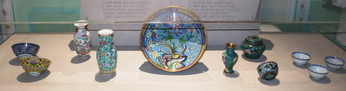
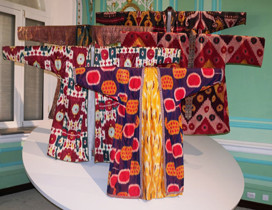
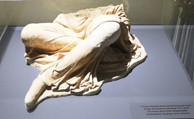
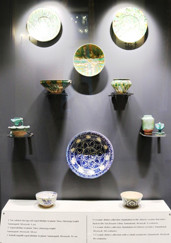
In the presentation of the exhibits, mainly digital 3D mapping technologies were used, a hologram is a modern technology of volumetric gala projection in space based on conceived plots in the form of short spectacular paintings, animation, etc. The exhibition includes samples of art and crafts (textiles, ceramics, coinage, etc.) from the collection of the Samarkand State Museum-Reserve.